
Back Pain Care
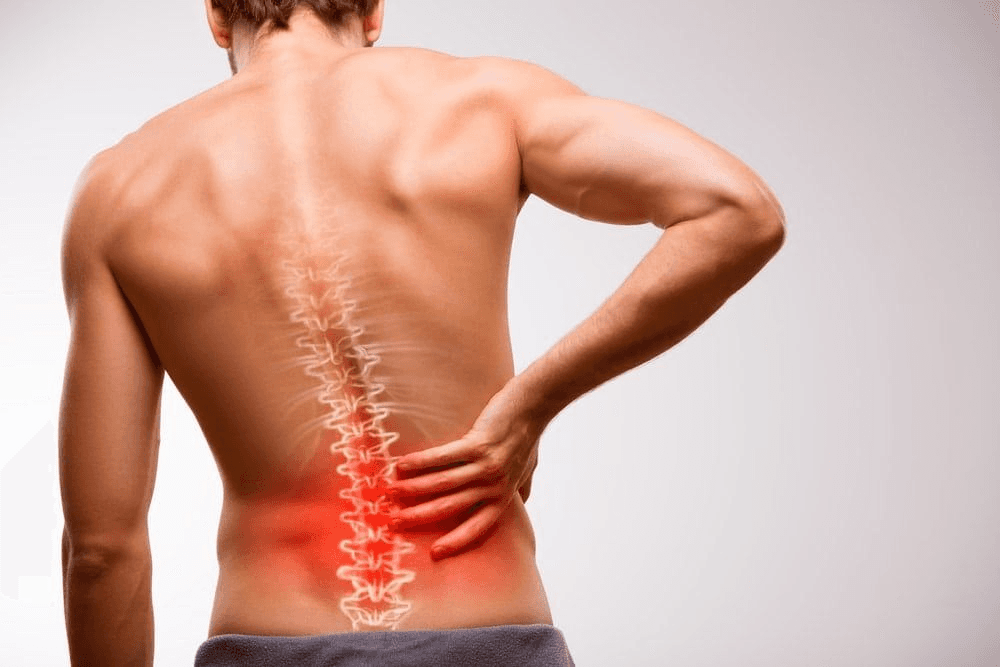
What is Back Pain?
Back pain is one of the most common health problems affecting people of all ages. It can range from a dull, constant ache to a sudden sharp pain that makes movement difficult. Most cases are linked to posture, lifestyle, or strain, but back pain can also be caused by underlying spinal conditions.
Types & Causes of Back Pain
Muscle or Ligament Strain: From lifting heavy objects, sudden movements, or poor posture.
Slipped Disc / Herniated Disc: When the soft cushion between spinal bones presses on a nerve, causing pain or numbness.
Degenerative Disc Disease & Arthritis: Wear-and-tear of the spine leading to stiffness and chronic pain.
Sciatica: Pain that radiates from the lower back down the leg due to nerve compression.
Spinal Deformities: Conditions like scoliosis or kyphosis.
Injuries or Fractures: Due to falls, accidents, or osteoporosis.
Other Causes: Infections, kidney problems, or rarely, tumors.
Risk Factors
Poor posture or sedentary lifestyle
Obesity or weak core muscles
Heavy lifting or improper exercise techniques
Increasing age
Previous back injuries
Smoking, which reduces blood flow to spinal tissues
Symptoms & Signs of Back Pain
Dull or sharp pain in the back or spine
Stiffness and reduced flexibility
Pain that worsens with bending, lifting, or prolonged sitting
Pain radiating to the legs (sciatica)
Numbness, tingling, or weakness in severe cases
Emergencies in Backache — When to Seek Immediate Help
Back pain can sometimes signal a serious underlying condition. Seek urgent medical care if you experience:
Sudden inability to control bladder or bowel movements
Severe weakness or numbness in the legs
Back pain after a fall, accident, or injury
Unexplained weight loss with persistent back pain
Fever or night sweats along with back pain
These may indicate spinal cord compression, infection, or fractures that require immediate treatment.
Diagnosis
Physical examination of posture, strength, and flexibility
X-rays to check for bone problems or deformities
MRI/CT scans for disc problems, nerve compression, or spinal degeneration
Blood tests/special scans if infection or tumor is suspected
Treatment Options
Lifestyle & Posture Correction – ergonomic advice, weight management, core strengthening
Medications – pain relievers, anti-inflammatories, muscle relaxants
Physiotherapy – stretching, strengthening, and posture correction
Injections – nerve blocks or epidural steroids for severe pain
Minimally Invasive Surgery – for slipped discs or nerve compression
Advanced Spine Surgery – for deformities, instability, or complex conditions
Cauda Equina Syndrome (CES) – A Spine Emergency
Cauda Equina Syndrome occurs when the bundle of nerves at the base of the spinal cord (called the cauda equina) is severely compressed. It is a rare but medical emergency that requires urgent surgery to prevent permanent damage.
Warning signs of Cauda Equina Syndrome include:
Severe lower back pain
Loss of bladder or bowel control
Numbness or tingling in the groin, buttocks, or inner thighs (saddle anesthesia)
Weakness or paralysis in the legs
Why it matters:
If untreated, CES can lead to permanent paralysis, incontinence, and loss of sexual function. Immediate medical attention and often urgent surgery are critical.
Prevention of Backache
Many cases of back pain can be avoided with healthy lifestyle choices:
Maintain a healthy weight to reduce pressure on the spine
Practice correct posture while sitting, standing, and working
Exercise regularly to strengthen back and core muscles
Lift heavy objects properly by bending your knees, not your back
Use ergonomic chairs and supportive mattresses
Avoid prolonged sitting or standing without breaks

Why Choose
Dr.Mohit for Back Pain?
Expertise in non-surgical and surgical spine care
Personalized treatment plans for lasting results
Integration of physiotherapy and rehabilitation
Advanced diagnostic and minimally invasive treatment options