
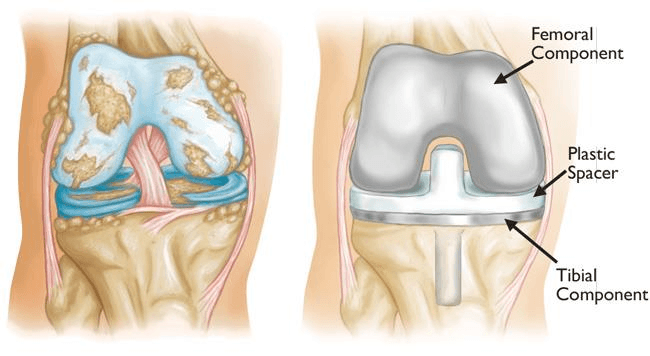
It is most commonly done for patients whose knees are affected by arthritis, injury, or long-term wear and tear. TKR helps reduce pain, improve walking and flexibility, and allows patients to return to their daily activities with greater ease and confidence.
Total Knee Replacement Surgery – Step by Step
Doctor Consultation
Your journey begins with a detailed consultation with Dr. Mohit, who carefully evaluates your knee condition. He reviews your medical history,medications, symptoms, and lifestyle goals to decide whether knee replacement is the right option for you.Pre-Surgery Preparation
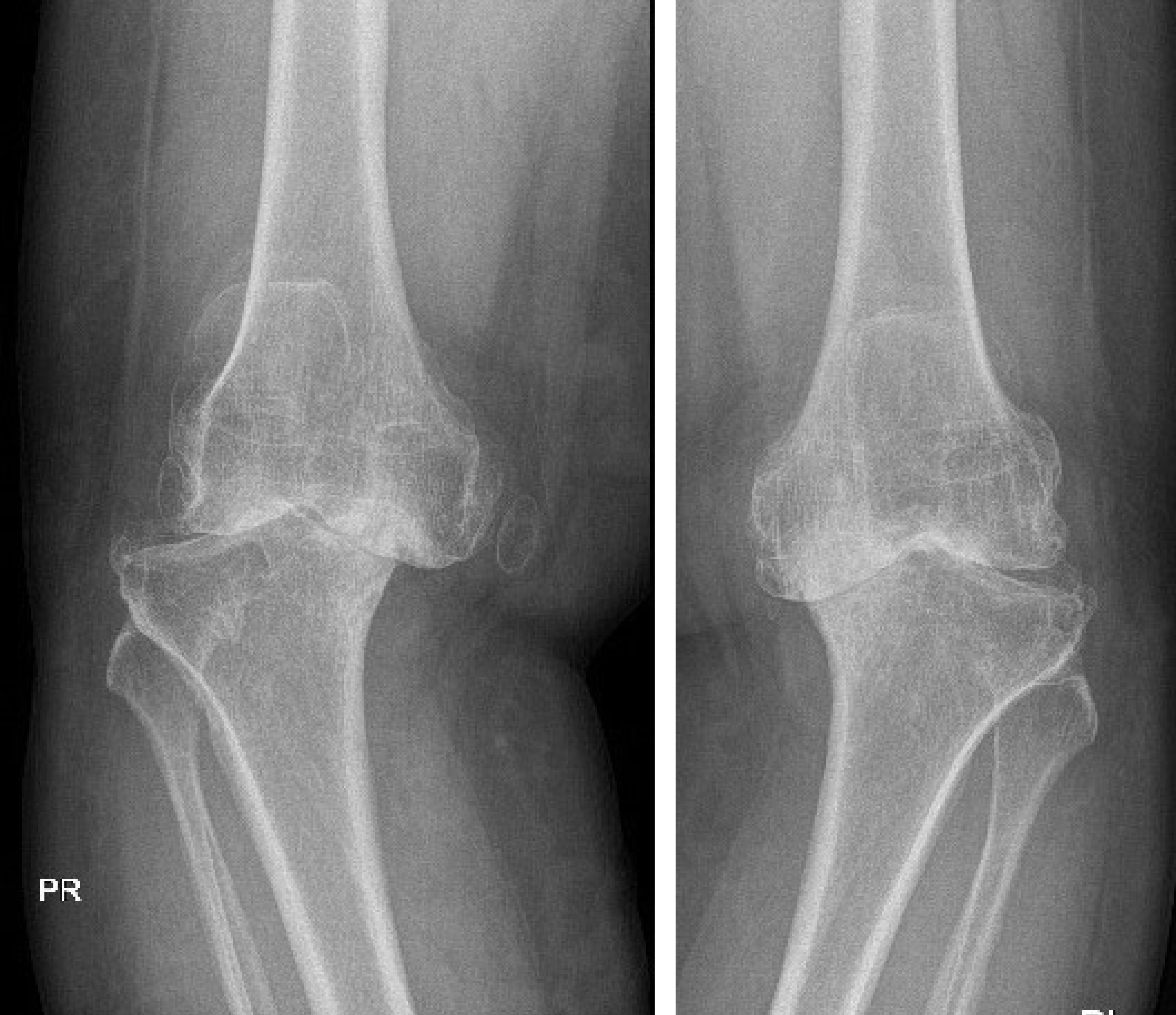
Before the surgery, a series of tests such as X-rays, CT/MRI scans, and blood investigations are done to assess the extent of joint damage and ensure you are medically fit for the procedure. You’ll also receive guidance on exercises, medications, and fasting instructions to help you prepare for a smooth surgery and recovery.
Surgery Procedure
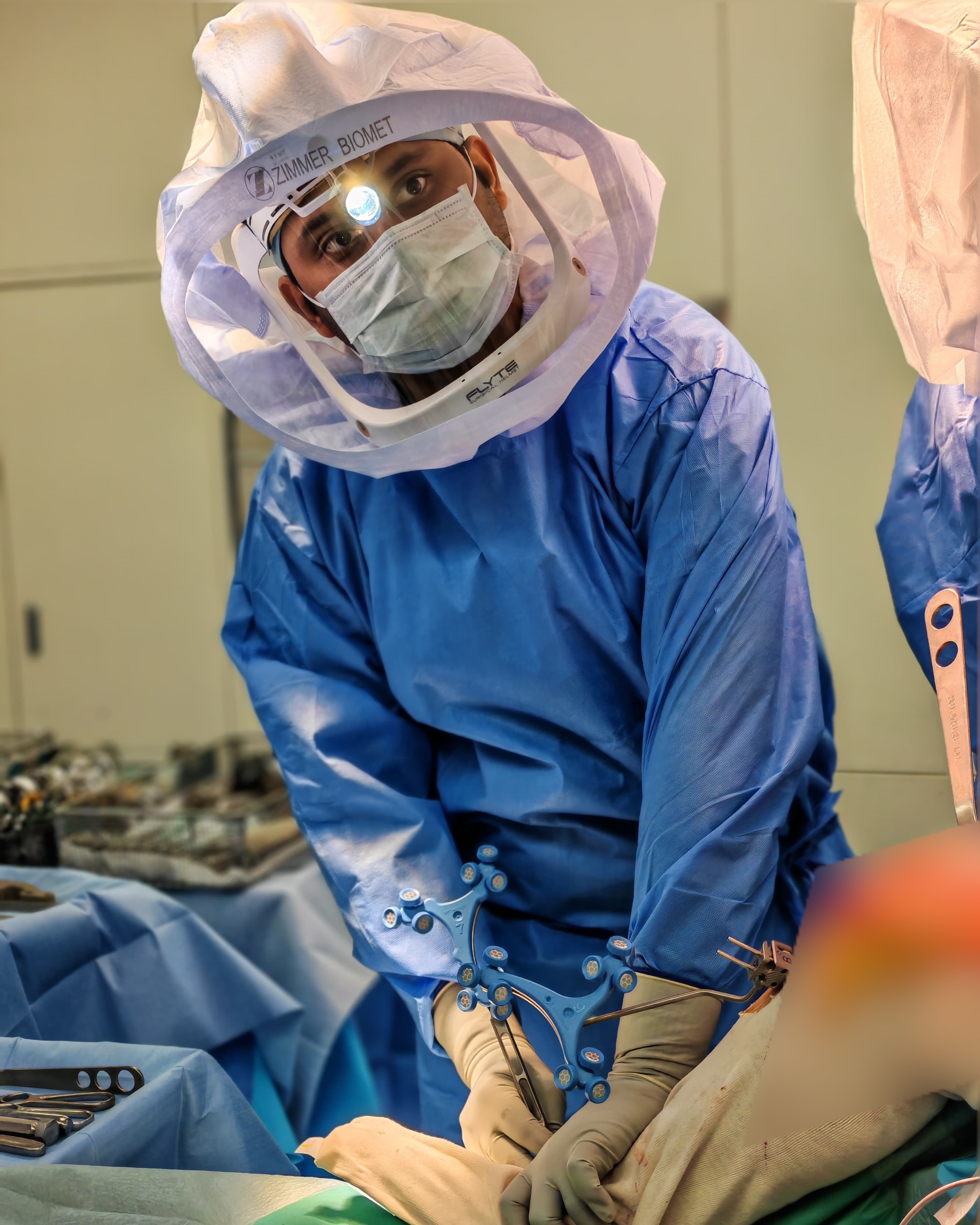
A Total Knee Replacement is performed with great precision and care to ensure the best possible outcome. The key steps include:
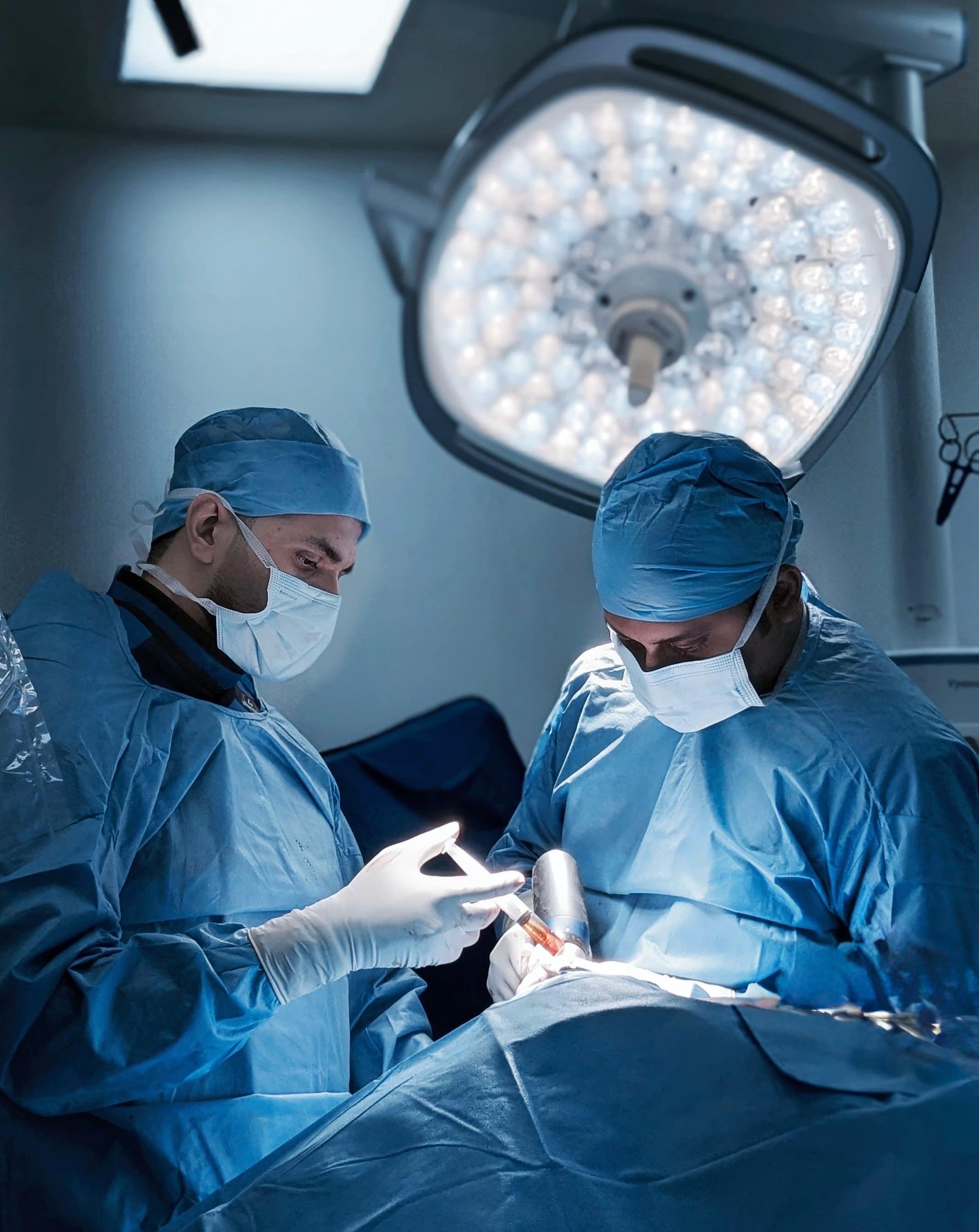
Once the patient is positioned comfortably on the operating table, anesthesia is administered to ensure a painless procedure.
The surgeon then makes a small incision at the front of the knee to access the damaged joint.
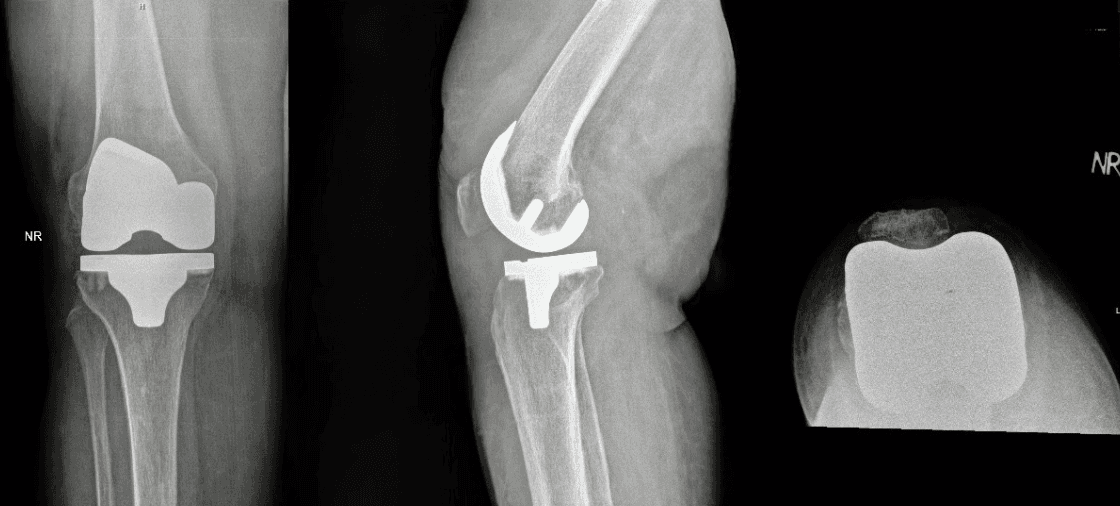
The worn-out bone and cartilage surfaces are carefully removed and replaced with high-quality metal and plastic implants that mimic the natural movement of the knee.
The surgeon then tests the new joint for balance, stability, and alignment before securely closing the joint and incision.
This meticulous process ensures smooth joint motion, long-term durability, and relief from persistent pain.
Post-Surgery
After the surgery, patients are moved to a recovery room, where the medical team closely monitors vital signs and ensures a comfortable, safe recovery from anesthesia.
Physiotherapy usually begins within the first 24 hours to help restore knee movement, strengthen muscles, and prevent stiffness. Under guided supervision, patients gradually progress from simple exercises to walking with support.
Most patients stay in the hospital for 2–4 days, after which they continue their rehabilitation at home. With regular physiotherapy and proper care, most individuals regain mobility, return to daily activities, and experience lasting pain relief within a few weeks.
Pain Management
Pain and discomfort are expected after knee replacement surgery, but with modern medical care, it is well controlled and short-lived. The focus is always on keeping patients comfortable and enabling early movement, which is key to a smooth recovery.
During surgery, specialized regional anesthesia techniques are used to minimize pain:
— Femoral Nerve Block is given for unilateral (one-sided) knee replacements, providing excellent pain relief in the operated leg.
— Epidural Anesthesia is administered for bilateral (both knees) replacements, ensuring effective pain control on both sides.
After surgery, patients also receive a combination of pain-relieving injections, oral medications, and anti-inflammatory drugs as needed. Additional methods like ice packs, compression, and guided physiotherapy help reduce swelling and stiffness.
Most patients notice a marked reduction in pain within the first 2–3 weeks, with continued improvement as strength and flexibility return. Dr. Mohit and his team create a personalized pain management plan for every patient, ensuring a comfortable and confident recovery journey.Recovery Time After Total Knee Replacement
Recovery after a Total Knee Replacement differs from person to person, depending on overall health, age, and dedication to rehabilitation.
Most patients are encouraged to walk with support (using a walker or crutches) on the same day or the day after surgery. Within 6 to 8 weeks, many are able to resume most of their daily activities comfortably.
By around 3 months, patients usually notice a significant reduction in pain and improved mobility. Full recovery — including returning to more strenuous activities like long walks, driving, or light sports — may take 6 to 12 months.
Following your physical therapy exercises and regular follow-up visits with your doctor is key to achieving the best results and ensuring long-term success of your knee replacement.